Episode 454
#454: Bridging the Gap: Avoiding the MedTech Valley of Death with Dr. Adam Saltman
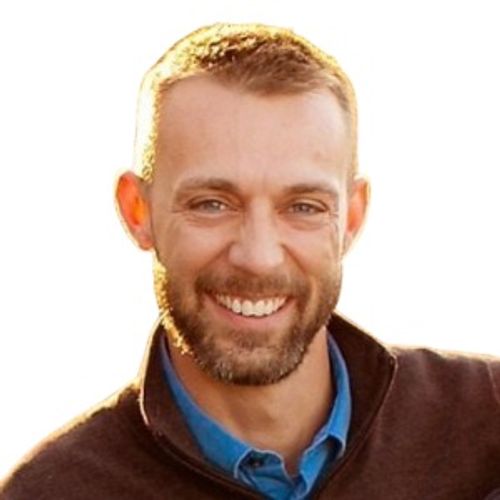
In this episode, host Etienne Nichols sits down with Dr. Adam Saltman, Chief Medical Officer at NAMSA, to explore the treacherous "valley of death" that exists between a medical device prototype and the patient. With a unique "triple threat" perspective as a cardiothoracic surgeon, former FDA official, and industry consultant, Dr. Saltman reveals why technical brilliance often fails in the face of commercial reality.
The conversation dives deep into the common pitfalls of early-stage startups, specifically the tendency to develop technology in a "tech echo chamber" without validating the unmet clinical need. Dr. Saltman shares a sobering story of a company that achieved regulatory authorization and reimbursement only to find that no one wanted to buy their product because it solved a problem clinicians didn't have.
Finally, the discussion shifts to the evolving landscape of AI in healthcare. Dr. Saltman warns against "automation bias" and emphasizes that regulators and clinicians are no longer satisfied with "black box" explanations. Whether it's navigating FDA guidance or choosing between a 510(k) and a De Novo pathway, the takeaway is clear: start with the end user in mind and validate every hypothesis with real-world clinical perspective.
Key Timestamps
- [00:01:45] Introducing Dr. Adam Saltman: The surgeon, regulator, and consultant perspective.
- [00:03:10] The #1 Mistake: Building a product that doesn't address an actual unmet clinical need.
- [00:05:40] The Echo Chamber: Why engineers must look beyond their own circles for product validation.
- [00:06:50] The CFO vs. The Surgeon: A cautionary tale about who actually makes the purchasing decisions in a hospital.
- [00:09:40] Staying Current: How to manually and digitally track the constant stream of FDA guidance documents.
- [00:11:45] AI in MedTech: Moving from "black box" algorithms to transparent, explainable technology.
- [00:13:30] The X-Ray Failure: A real-world example of AI predicting mortality based on patient location rather than clinical data.
- [00:15:20] Automation Bias: Why you should treat AI as an assistant, not a replacement.
- [00:18:15] Marketing vs. Utility: The "Billboard Effect" of surgical robots and AI features.
- [00:20:00] Signs of Success: How Dr. Saltman identifies startups that are likely to succeed versus those "wasting" capital.
- [00:23:10] Calling the Baby Ugly: The necessity of pivot-readiness and adult influence in startup management.
- [00:25:30] The 510(k) Trap: Why the fastest regulatory path might be your biggest commercial hurdle.
Quotes
"You really need to start with the end in mind and test that hypothesis. Get out of the office and go out there and talk to people and really confirm that." - Dr. Saltman
"This is my assistant, not my replacement." - Dr. Saltman
Takeaways
- Validate the Unmet Need: Before investing in R&D, ensure your target customer actually sees a need for the product. Technical viability does not equal market demand.
- Avoid the 510(k) Trap: Opting for the easiest regulatory path may pigeonhole your device into low reimbursement codes by labeling it as "the same" as existing technology.
- Combat Automation Bias: Never assume an AI or automated system is 100% correct. Maintain a critical eye and perform regular "smell tests" on AI-generated outputs.
- Engage Clinical Input Early: It is almost impossible to get professional clinical input too early, but it is very easy to seek it too late. Consider fractional clinical leadership to save costs.
- Identify All Stakeholders: Your user (the surgeon or nurse) is often not the purchaser (the CFO). Your evidence strategy must satisfy both.
References
- Zotero: A free reference manager Dr. Saltman uses to track and tag FDA guidance documents.
- The Founder’s Dilemma: A book referenced regarding the challenges of early-stage startup management and decision-making.
- Etienne Nichols’ LinkedIn: Connect with Etienne here.
MedTech 101 Section: The 510(k) vs. De Novo
Think of a 510(k) like a "Me Too" application. You are telling the FDA, "My device is just like this other one already on the market (the predicate)." It’s usually faster and cheaper. A De Novo is for "New" territory—devices that are low-to-moderate risk but don't have a direct twin already on the market. While 510(k) is the path of least resistance, it can be a "trap" because it makes it harder to argue that your device is unique enough to deserve a higher price or better insurance coverage.
Feedback Call-to-Action
We want to hear from you! Do you have a MedTech success story or a regulatory hurdle you're currently facing? Send your feedback, reviews, and topic suggestions to podcast@greenlight.guru. We read every email and love providing personalized responses to our community of innovators.
Sponsors
This episode is brought to you by Greenlight Guru. When navigating the "valley of death" between prototype and patient, you need a robust ecosystem to manage your data. Greenlight Guru offers industry-leading QMS (Quality Management Software) to keep your compliance on track and EDC (Electronic Data Capture) solutions to ensure your clinical evidence is ironclad. Whether you're avoiding the 510(k) trap or preparing for a De Novo submission, Greenlight Guru helps you close the gap with confidence.